

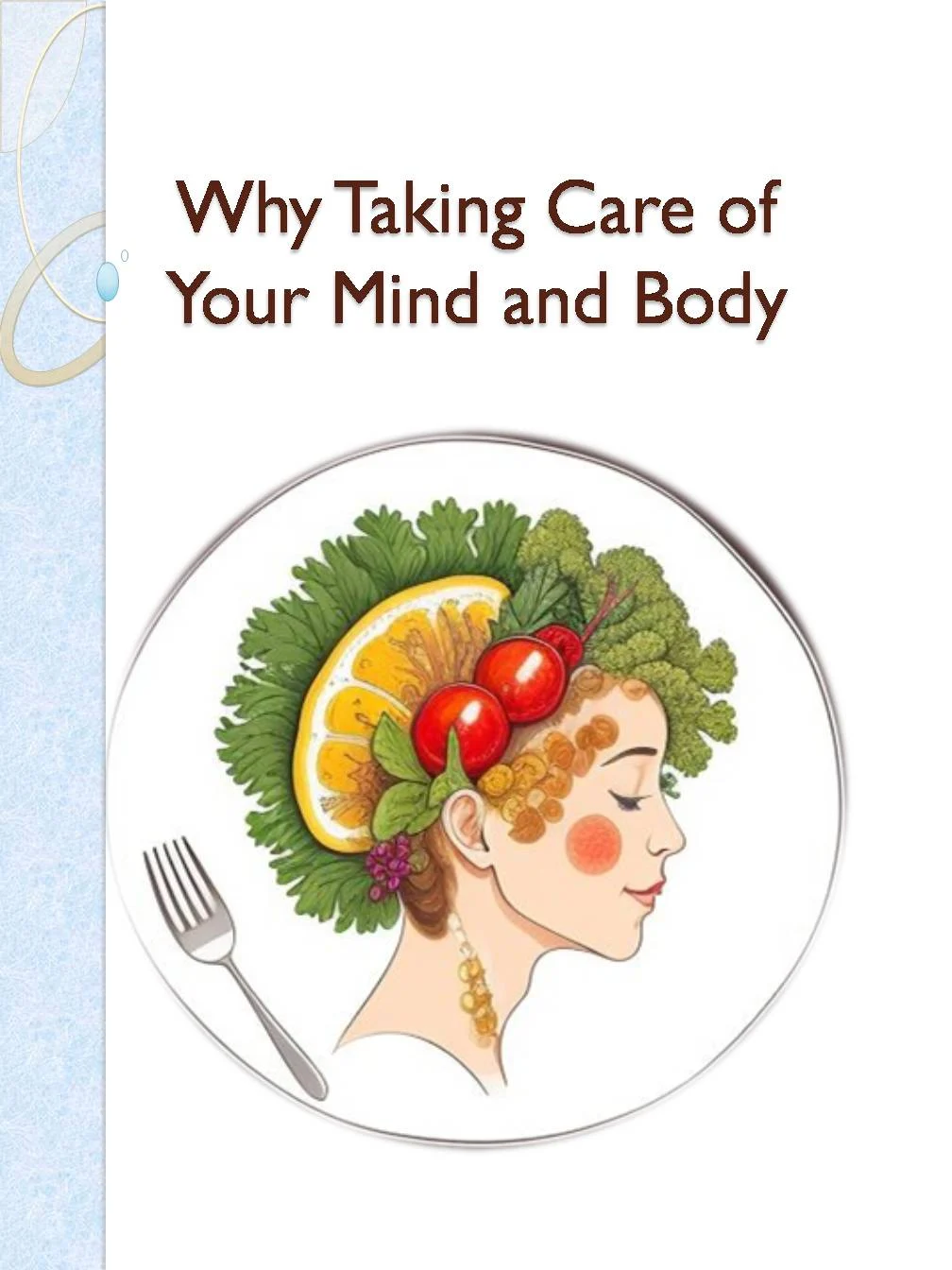
Wellness isn’t just about green smoothies and gym memberships- it’s about how you feel in your daily life. Are you waking up with energy? Are your thoughts clear? Do you feel connected to the people and things that matter to you? Real wellness is a full-body, full-life experience that includes your mental state, physical health, emotional balance, and sense of purpose. Let’s break down what wellness really means and how you can build a lifestyle that supports it.
1. Wellness is more than fitness- it’s your full well-being
It’s easy to think of wellness in terms of exercise and diet, but that’s only part of the picture. True wellness includes how you manage stress, maintain relationships, rest, and recover. It’s about emotional resilience, mental peace, and a sense of balance in your everyday life. Being well means feeling good in your body and in your mind and heart too.
2. Your mind and body are always talking -pay attention
Think of your mental and physical health as two sides of the same coin. When you’re anxious or overwhelmed, your body often reacts with headaches, tension, or fatigue. And when you’re not eating well, moving enough, or getting proper rest, your mood can tank. Supporting one helps the other, so the more care you give either side, the stronger the whole system becomes.
3. A whole-self approach leads to better balance
Instead of trying to “fix” one part of your life in isolation, look at wellness through a holistic lens. What does your body need? What about your spirit? Are you giving yourself space to feel, breathe, grow, and connect? When you start treating your health as a full picture- mind, body, and soul- you’ll feel more grounded and less fragmented.
4. Small actions make a big impact
You don’t need to overhaul your entire lifestyle to feel better. Start simple: drink more water, stretch for five minutes, put your phone down an hour before bed, or take a mindful pause in your day. These bite-sized habits, when done regularly, can bring calm, clarity, and balance to your life without feeling overwhelming.
5. Make wellness a lifestyle, not a phase
Trendy diets and 30-day resets might give you a quick lift, but sustainable wellness is about what you do most of the time, not what you do perfectly for a week. Build habits that you enjoy and can maintain. When wellness fits your life instead of taking it over, it becomes something you stick with- not something you quit.
Conclusion: wellness is about showing up for yourself consistently, kindly, and intentionally.
It’s not about being perfect or checking off every health box. It’s about knowing what helps you feel your best and giving yourself permission to live that way. When you take care of your whole self, everything in your life gets a little brighter and a lot more meaningful.